Welcome to Bao Group
Our research and educational activities are relevant to energy, environment, and human well-being.
|
Huiming Bao
(CV) PhD: Princeton University, 1998 Stable isotope geochemistry |
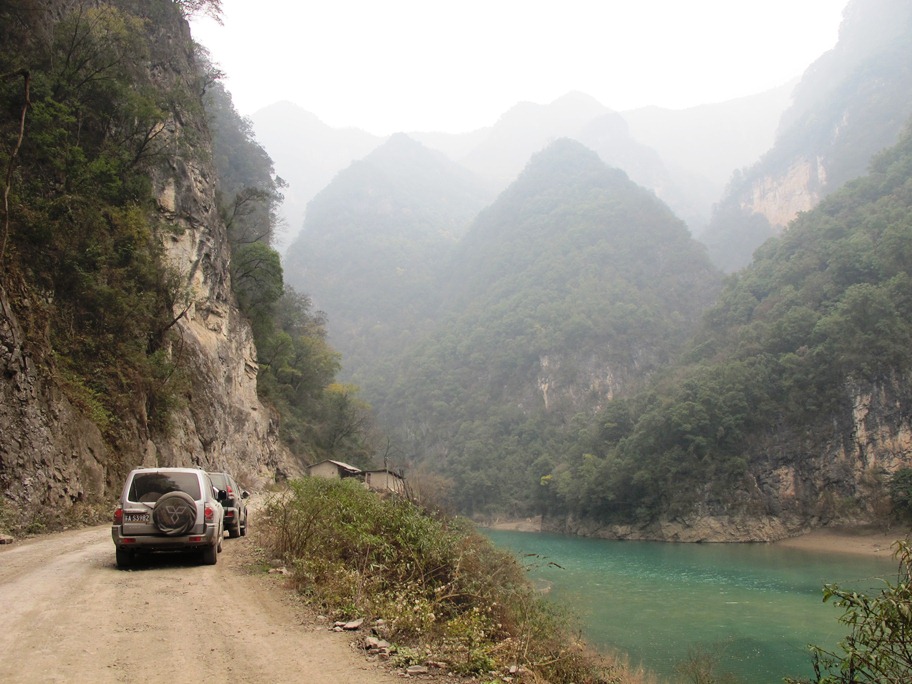
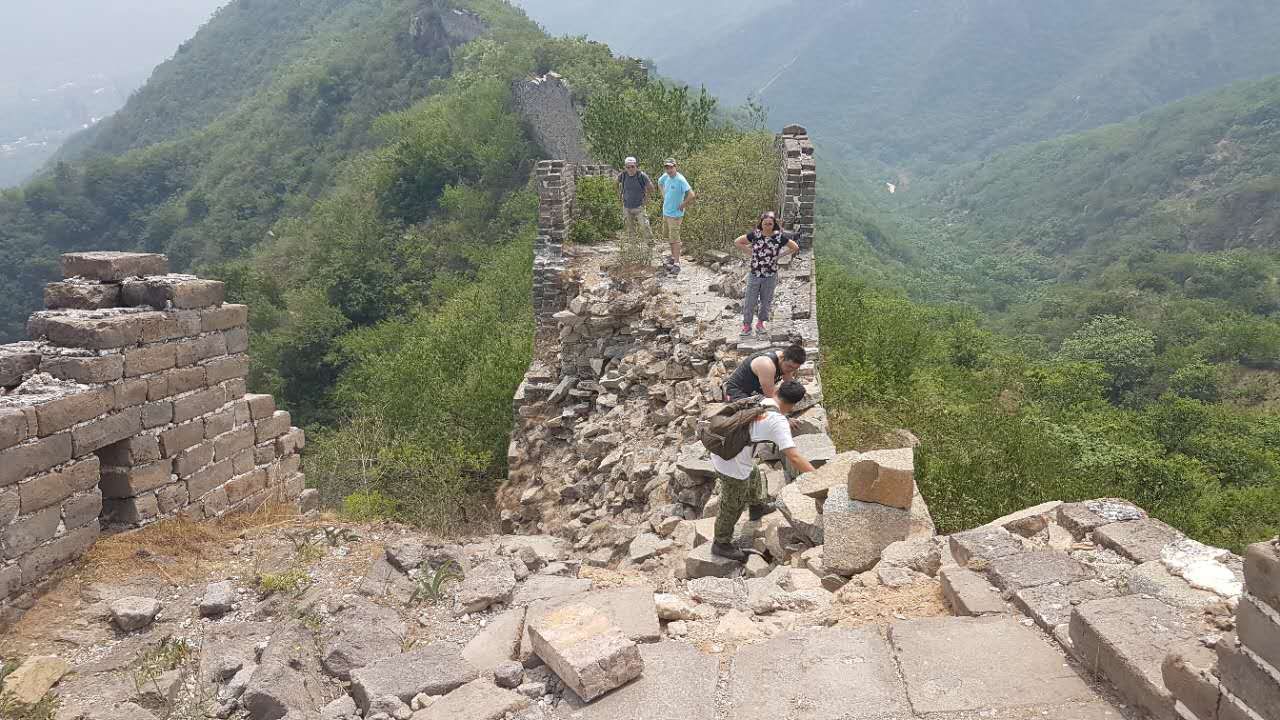
LSU Oxy-Anion Stable Isotope Consortium (OASIC) One of Bao field camps (2011)
|

Research:
A common thread of our research has been the use of high-dimensional stable isotope systems to "read" geological, biological, and environmental records, with a special interest in the history of our evolving atmosphere.
The tools that we use include gas-source isotopic ratio mass spectrometry (dual-inlet and conflo), laser-fluorination systems, vacuum lines, GC, IC, ICP-ES, SEM, XRD, and wet- and photo-chemistry lab facilities. My students and I have built up a unique stable isotope laboratory that is specialized in the isotope-ratio measurements of most elements in water-soluble oxy-anions such as sulfate, nitrate, perchlorate, phosphate, and hydroxide. The Oxy-Anion Stable Isotope Consortium (OASIC) is capable of chemical preparation and measurement of δD, δ15N, δ18O, δ17O, δ34S, δ33S, and δ36S values of SO42-, NO3-, ClO4-, and PO43-with the best precisions in the community.
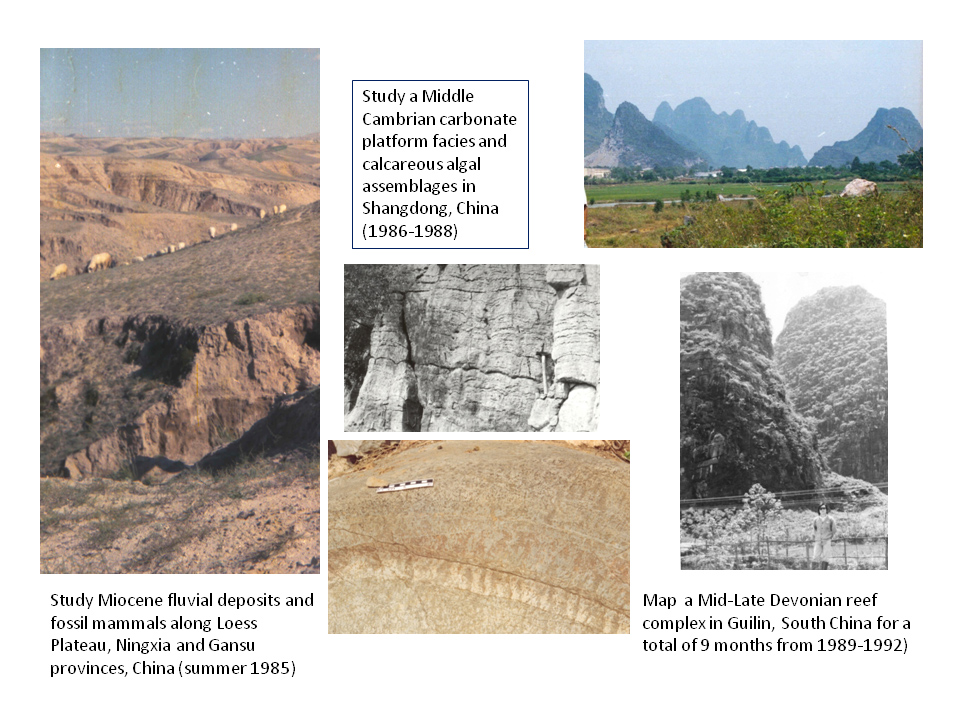
Group members are trained to walk on "four legs": (1) Field observation/sampling, (2) laboratory experiments, (3) modeling, and (4) theoretical analysis. We demand solid physical-chemistry background and quantitative skills. Our active fieldwork sites are all over the world, including Antarctic Dry Valleys, Australia, China, Chile, South Africa, Europe, and USA.
Active Research Projects
I. Stable Isotope Kinetics
II. Atmosphere-Biosphere condition associated with Neoproterozoic global glaciations
III. Sulfur oxidation and sulfate reduction
IV. Atmospheric deposition and post-depositional migration of ions in hyperarid deserts
V. Antarctica, Early Earth, and Mars
Teaching:
I teach introductory-level Physical Geology (Geol-1001) and Historical Geology (Geol-1003) for majors and non-majors. My upper-level graduate courses include "Geol7081-- Stable Isotope Geochemistry", "Carbonates: Geochemistry, petrology, & sedimentology", and "Advanced Topics in Stable Isotope Geochemistry".
Selected Publications:
(Click here for publications listed per topical areas)
Cao*, Xiaobin, Huiming
Bao, Yongbo Peng, 2019, A kinetic model for isotopologue signatures of
methane generated by biotic and abiotic CO2 methanation, Geochimica et Cosmochimica
Acta, 249: 59-75.
Killingsworth*, Bryan, Bao,
Huiming, and Kohl, Issaku*, 2018, Assessing Pyrite-Derived Sulfate in the Mississippi River with Four Years
of Sulfur and Triple-Oxygen Isotope Data, Environmental Sciences &
Technology. 52: 6126-6136.
Reich, M., Bao, H, 2018, Nitrate Deposits of the Atacama Desert: A Marker of Long-Term Hyperaridity, Elements, 14(4): 251-256.
Benjamin L. Byerly, Keena Kareem, Huiming Bao, Gary R. Byerly, 2017, Early
Earth mantle heterogeneity revealed by light oxygen isotopes of Archaean
komatiites. Nature Geosciences, v. 10, 871-876.
Cao,
Xiaobin*, and Bao, Huiming, 2017,
Redefining the utility of the three-isotope method: Geochimica et Cosmochimica Acta, v. 212, p. 16-32, doi: 10.1016/j.gca.2017.05.028.
Hayles, J.A.*,
Cao, Xiaobin*, Bao, Huiming, 2017,
The statistical mechanical basis of the triple isotope fractionation
relationship, Geochemical Perspective
Letter. 3:1-11, doi: 10.7185/geochemlet.1701.
Bao, Huiming, Cao, Xiaobin*, and Hayles, A. J. *, 2016, Triple Oxygen Isotopes: Principle and Applications, Annual Review of Earth and Planetary Sciences, 44:463-92.
Bao, Huiming, Cao, Xiaobin*, and Hayles, A. Justin*,
2015, The confines of triple oxygen isotope exponents in elemental and complex
mass-dependent processes. Geochimica et Cosmochimica Acta. 170:39-50.
Sun, Tao*, Richard A. Socki, David L. Bish, Ralph P. Harvey, Huiming Bao, Paul Niles, Ricardo Cavicchioli, Eric Tonui, Lost cold deserts in the Antarctica interior inferred from unusual sulfate deposits and multiple isotope signatures. Nature Communications, June 29 (2015), DOI: 10.1038/ncomms8579.
Killingsworth, A. Bryan*, Bao, Huiming, 2015, Significant
human impact on the flux and δ34S of sulfate from the largest
river in North America. Environmental Sciences & Technology,
Vol.49 (8) p. 4851-4860.
Li, P., Yan,
R., Yu, S., Wang, S., Liu, W., Bao,
Huiming, 2015, Reinstate regional transport of PM2.5 as a major cause of
severe haze in Beijing. PNAS. 10.1073/pnas.1502596112. May
26, 2015, vol. 112(21), E2739-E2740.
Bao, Huiming, 2015, Sulfate: A time capsule for Earth's O2, O3, and H2O, Chemical Geology, 395, 108-118.
Cao, Xiaobin* and Bao, Huiming, 2013, Dynamic model constraints on oxygen-17 depletion in atmospheric O2 after a snowball Earth. PNAS, July 2013; www.pnas.org/cgi/doi/10.1073/pnas.1302972110.
Bryan A. Killingsworth*, Justin A. Hayles*, Chuanming Zhou, and Huiming Bao, 2013, Sedimentary Constraints on the Duration of the Marinoan Oxygen-17 Depletion (MOSD) Event. PNAS, Feb. 6, 2013
Bao, Huiming, Yu, Shaocai, and Tong, Daniel Q., 2010, Massive volcanic SO2 oxidation and sulphate aerosol deposition in Cenozoic North America. Nature, doi:10.1038/nature09100
Bao, Huiming, Ian J. Fairchild, Peter M. Wynn, and Christoph Spotl, 2009, Stretching the Envelope of Past Surface Environments: Neoproterozoic Glacial Lakes from Svalbard, Science, 323, 119-122; DOI: 10.1126/science.1165373
Bao, Huiming, Jim Lyons, and Chuanming Zhou, May 2008, Triple oxygen isotope evidence for elevated CO2 levels after a Neoproterozoic glaciation, Nature, 453 (7194), 504-506; DOI: 10.1038/nature06959.
Bao, Huiming, Sun, T., Kohl, I., and Peng, Y.-P., 2008, Comments on "Early Archaean microorganisms preferred elemental sulfur, not sulfate", Science, v. 319 (5868), p. 1336.
Bao, Huiming and Gu, Baohua, 2004, Natural perchlorate has a unique oxygen isotope signature. Environmental Science and Technology, 38(19): 5073-5077.; 10.1021/es049516z
Bao Huiming, Douglas A. Campbell, James G. Bockheim, Mark H. Thiemens, 2000, Origin of sulfate in Antarctic Dry Valley soils as deduced from anomalous 17O compositions. Nature 407, 499-502.
Bao, Huiming et al. 2000, Anomalous 17O compositions in massive sulphate deposits on the Earth. Nature 406, 176-178.
Selected photos of fieldwork from 2001-2012
2001: The Atacama Desert, Northern Chile (2001)
(2007-1)
2001: Xinjiang, northwestern China (2001) (2002)
2002: Nebraska, USA (-1, -2)
2002: The Antarctic Dry Valleys (2002-1, -2, -3, -4, -5, -6)
2005: Scotts Bluff, Nebraska, USA (-1,-2, -3, -4)
2006: Nebraska, Wyoming, USA (1) and northern
China (-1, -2)
2007: southern China (-1, -2, -3)
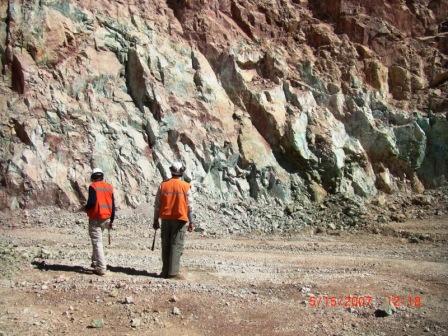
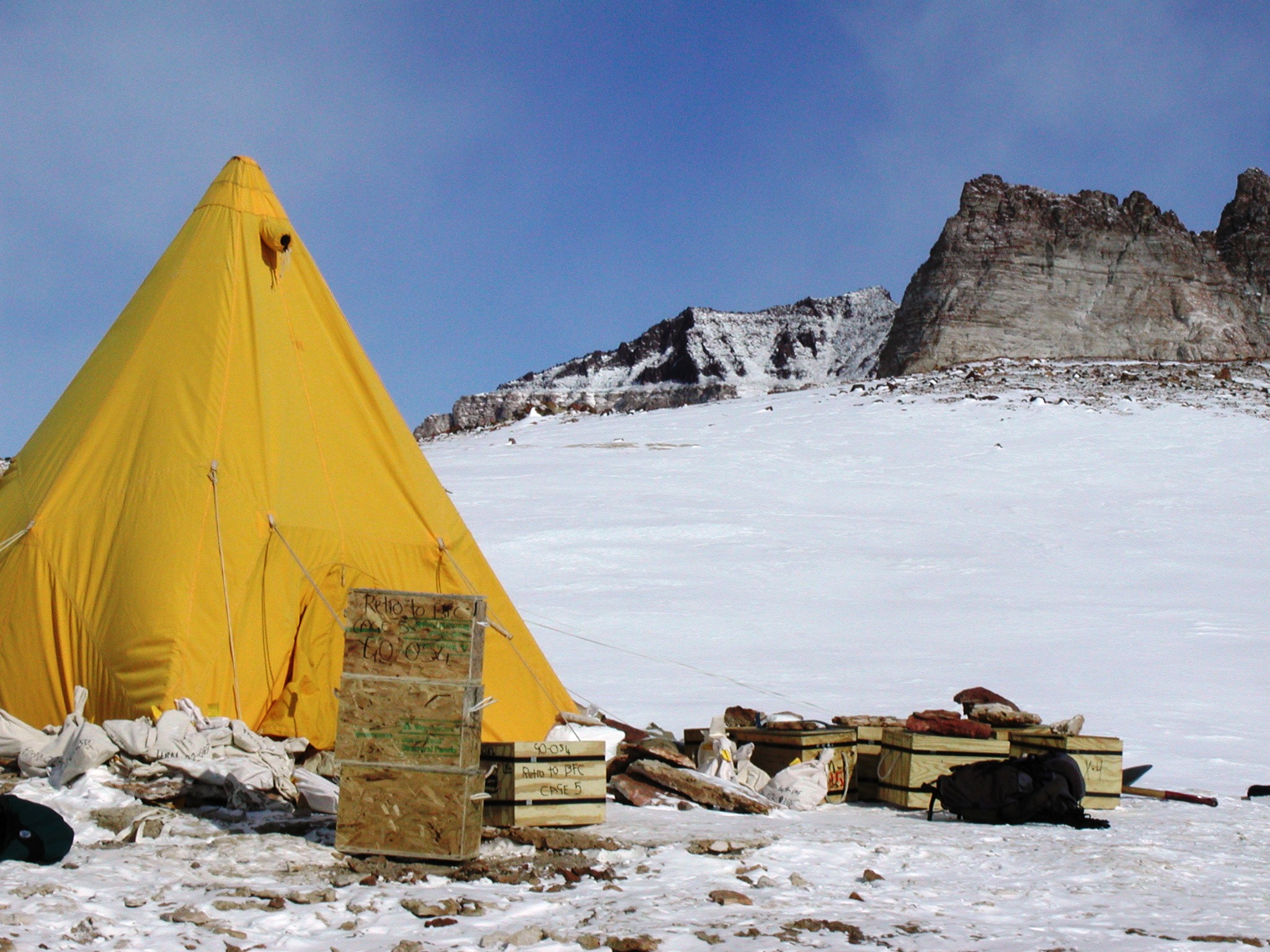
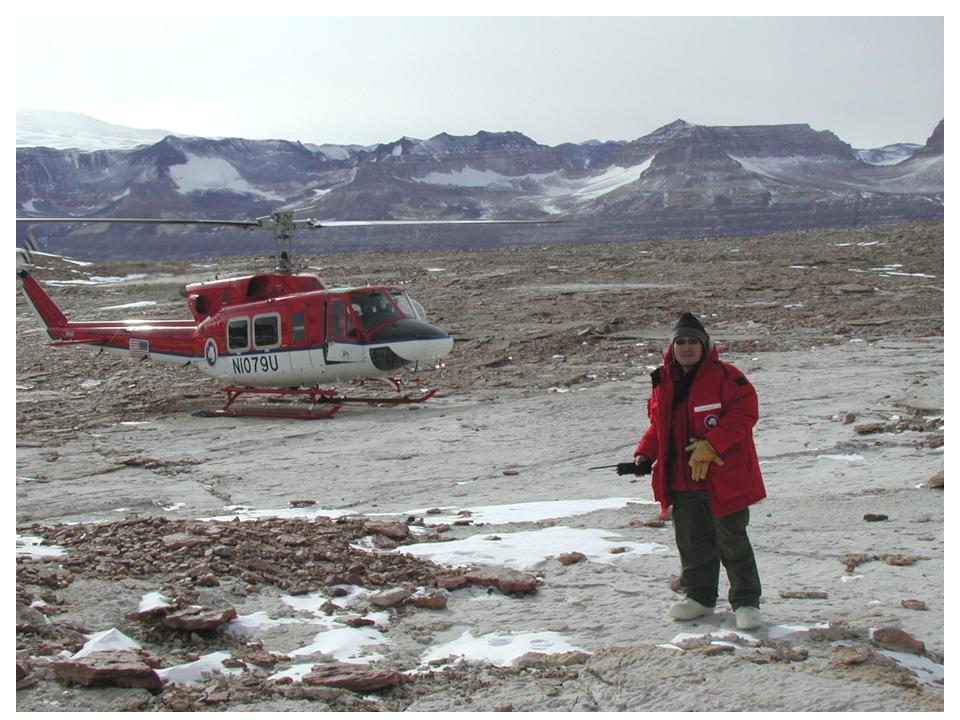
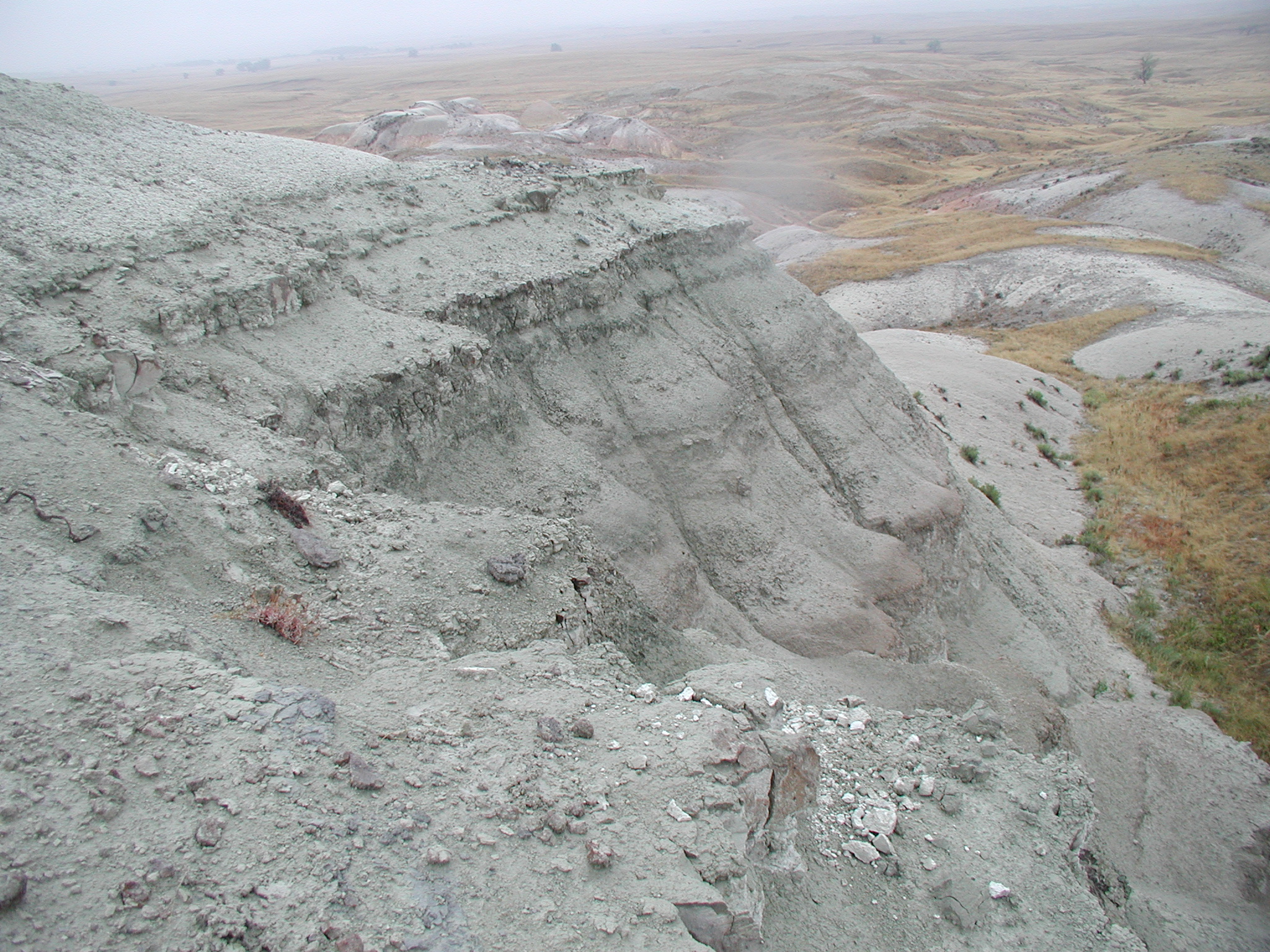
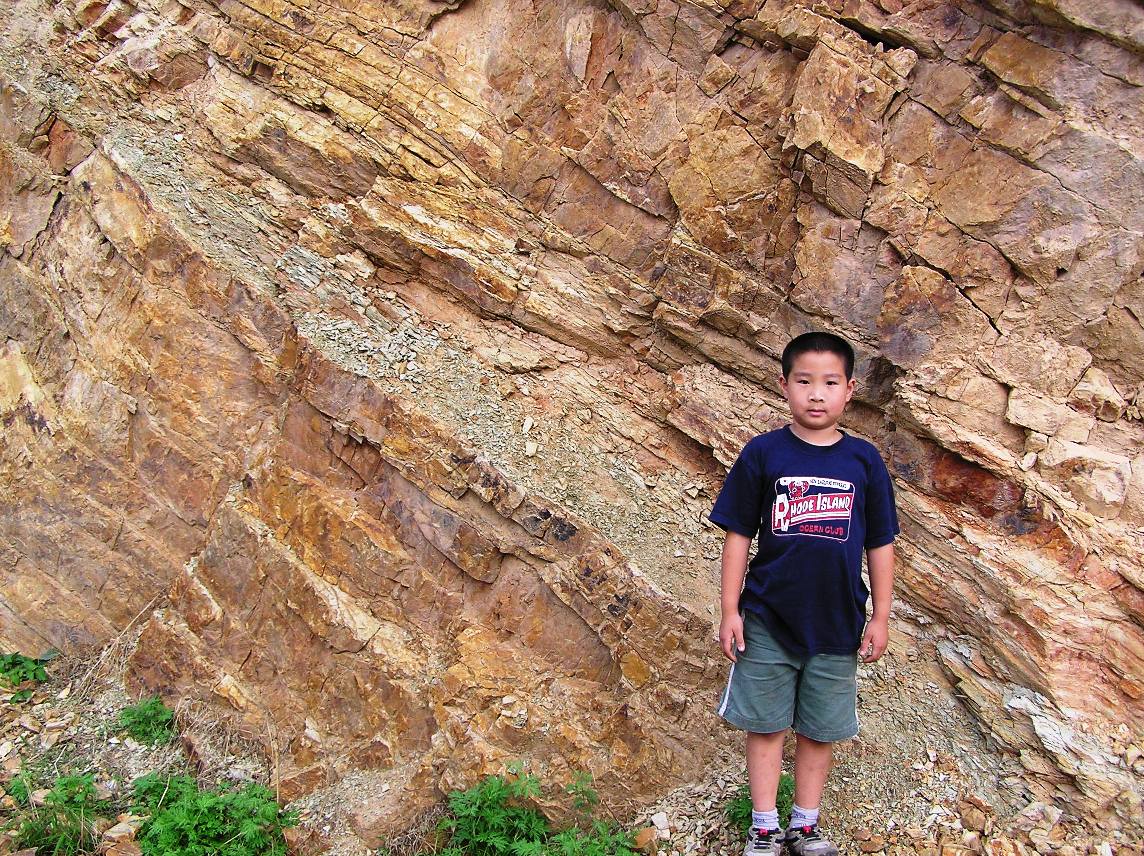
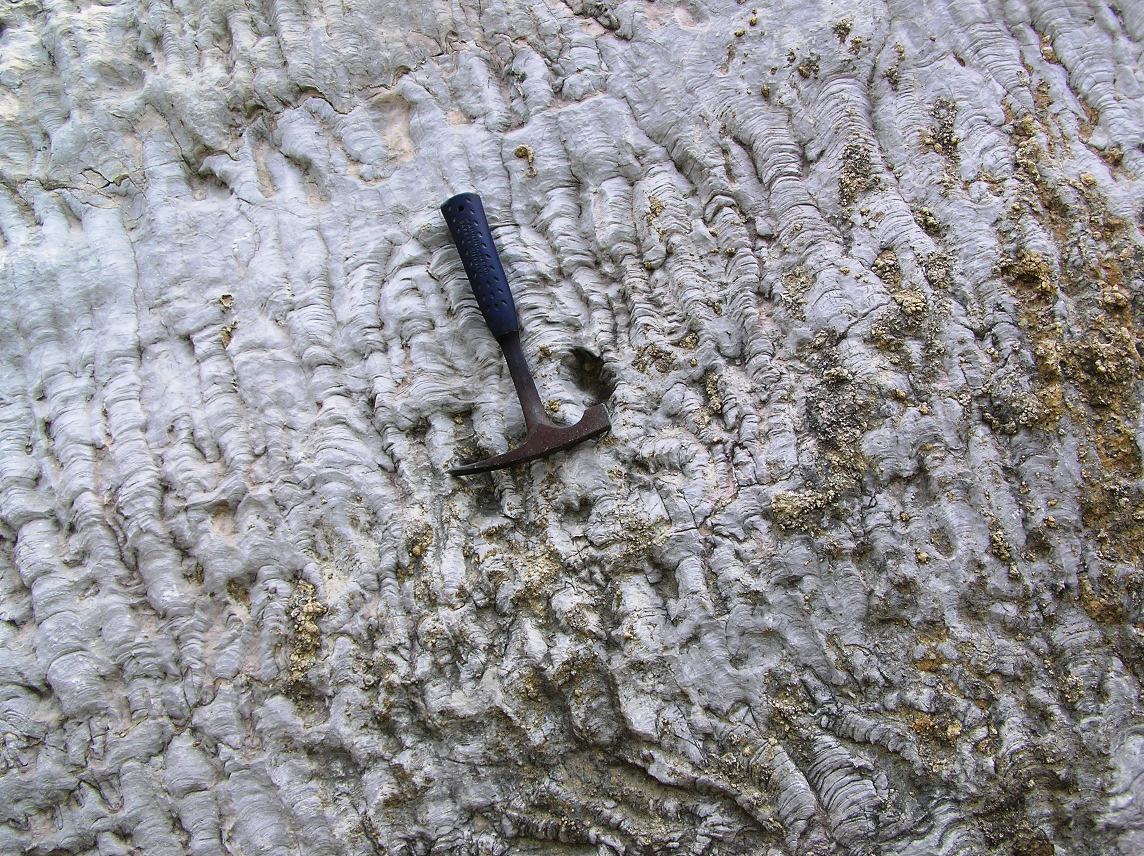
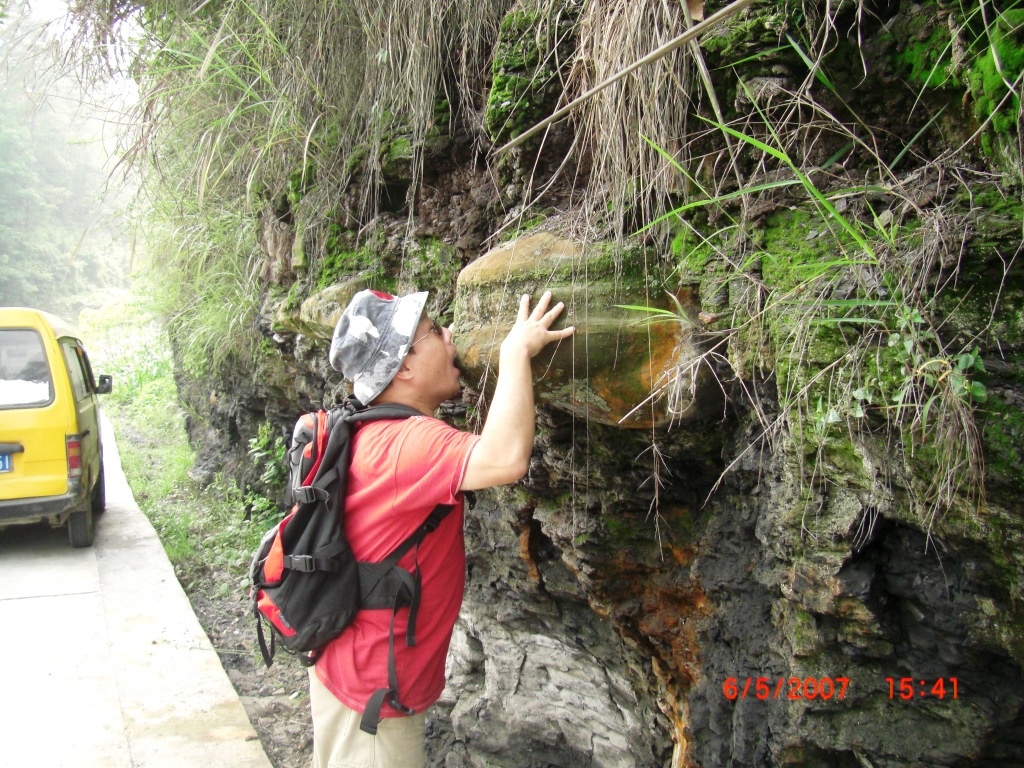
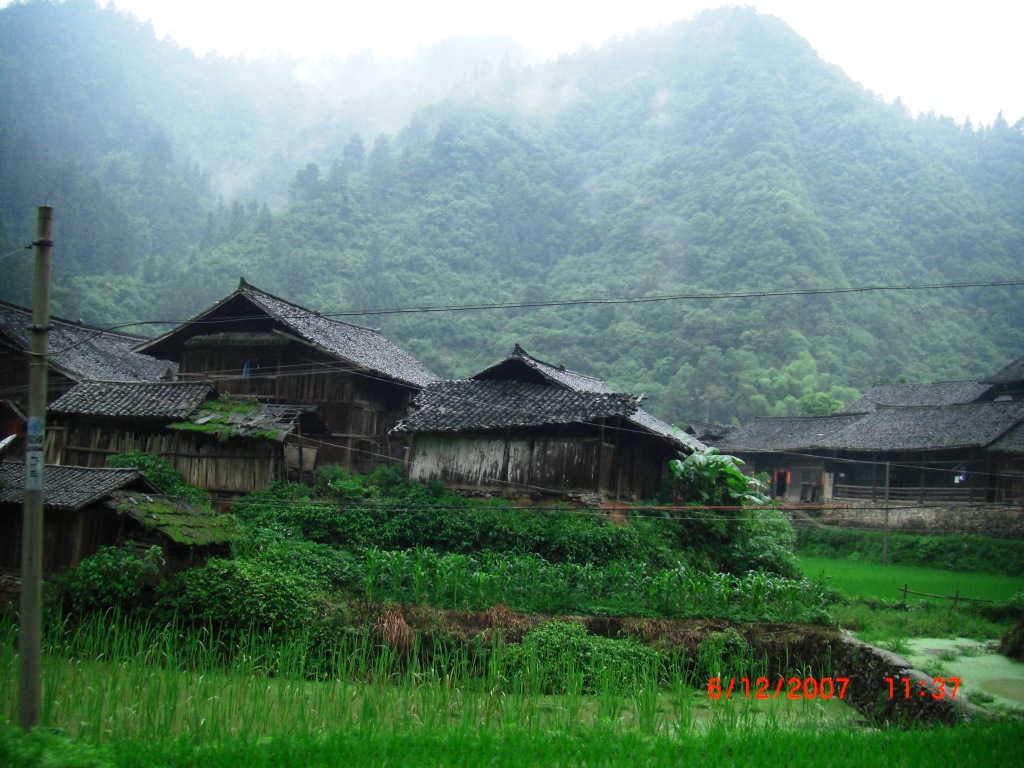
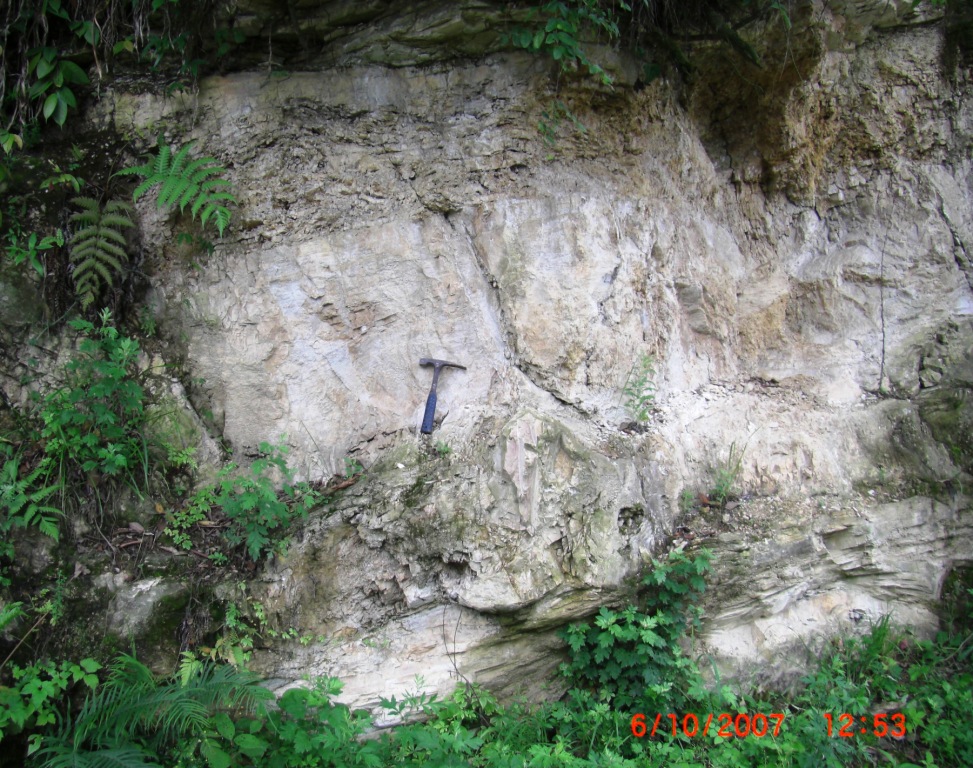
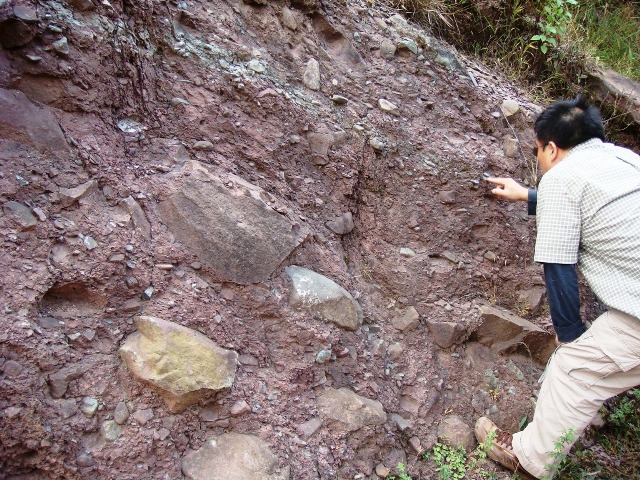
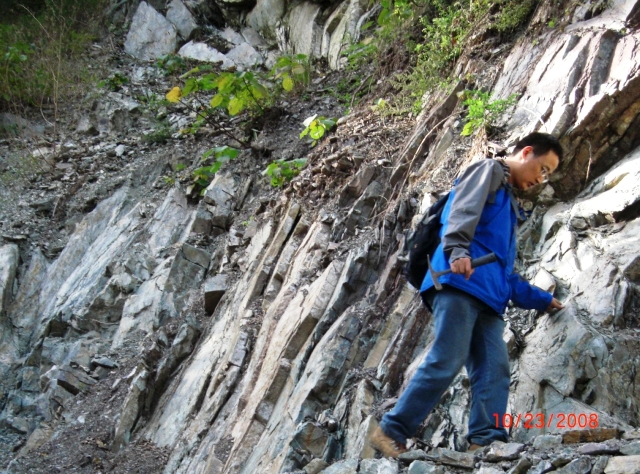
2009: southern China (-1, -2, -3, -4)
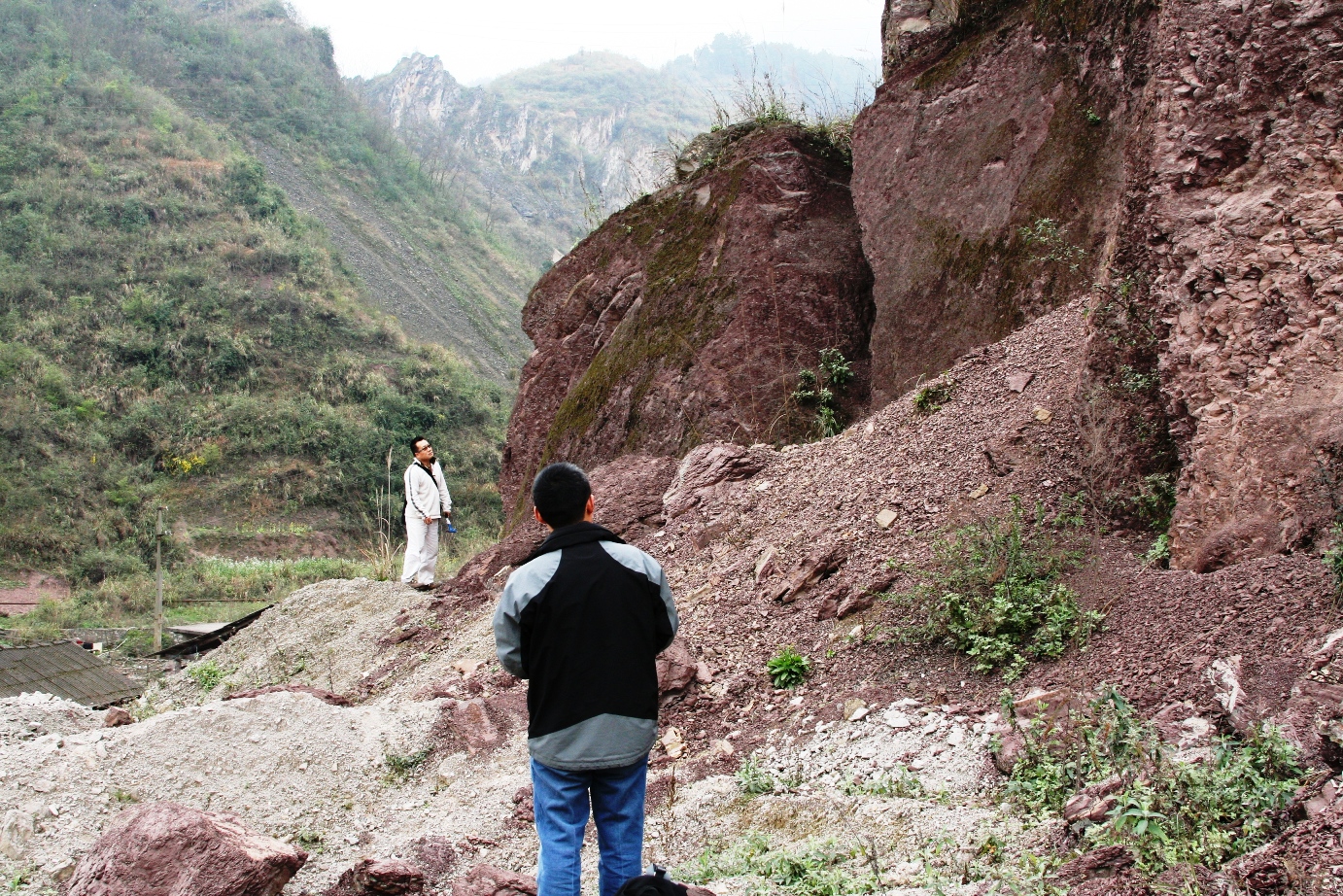
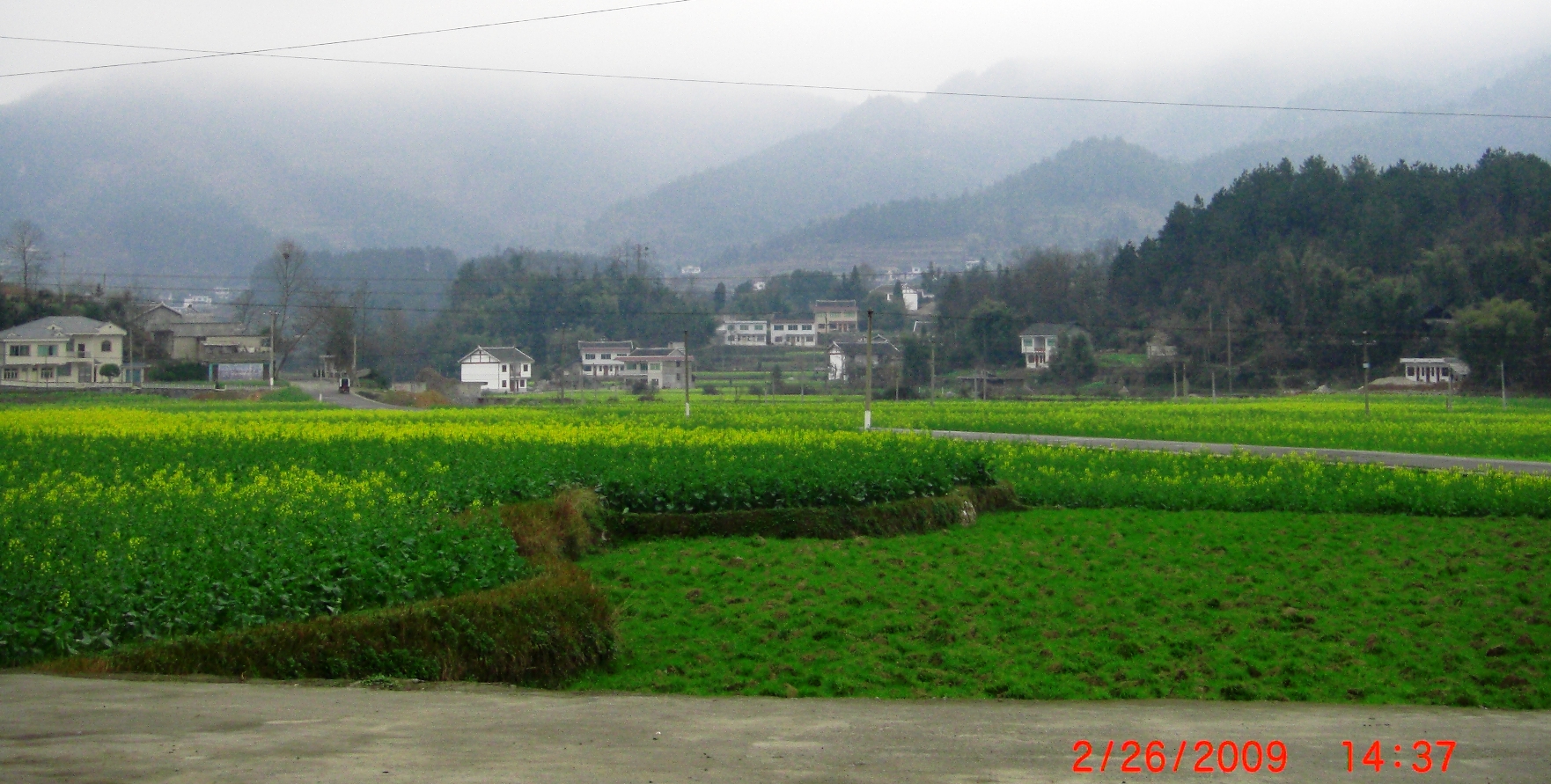
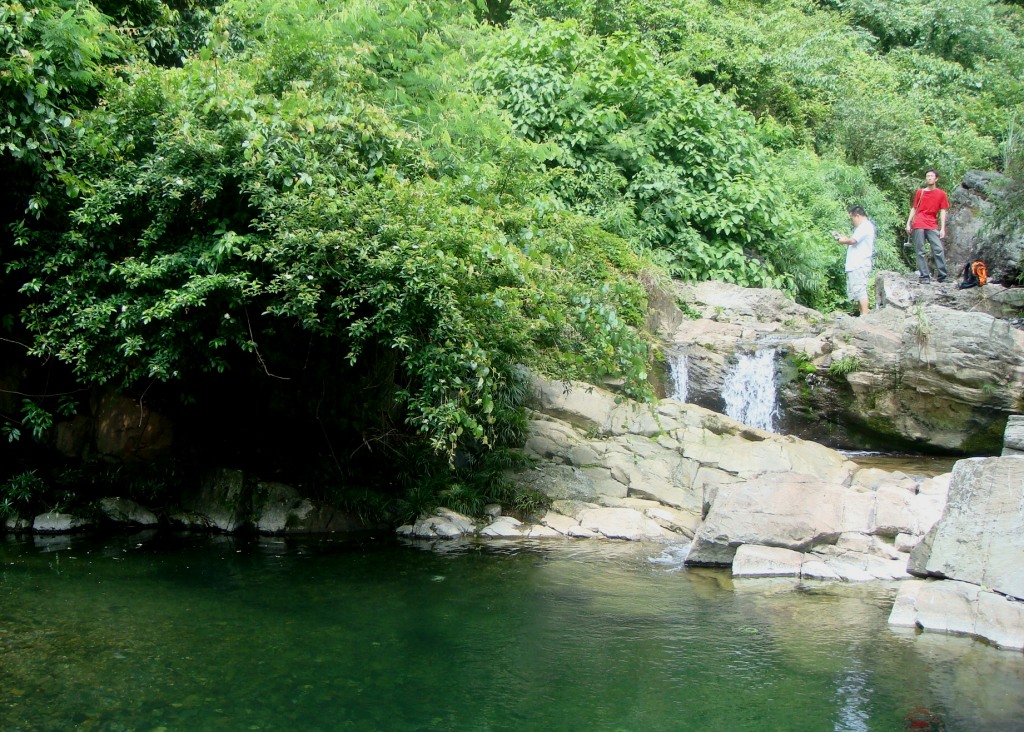
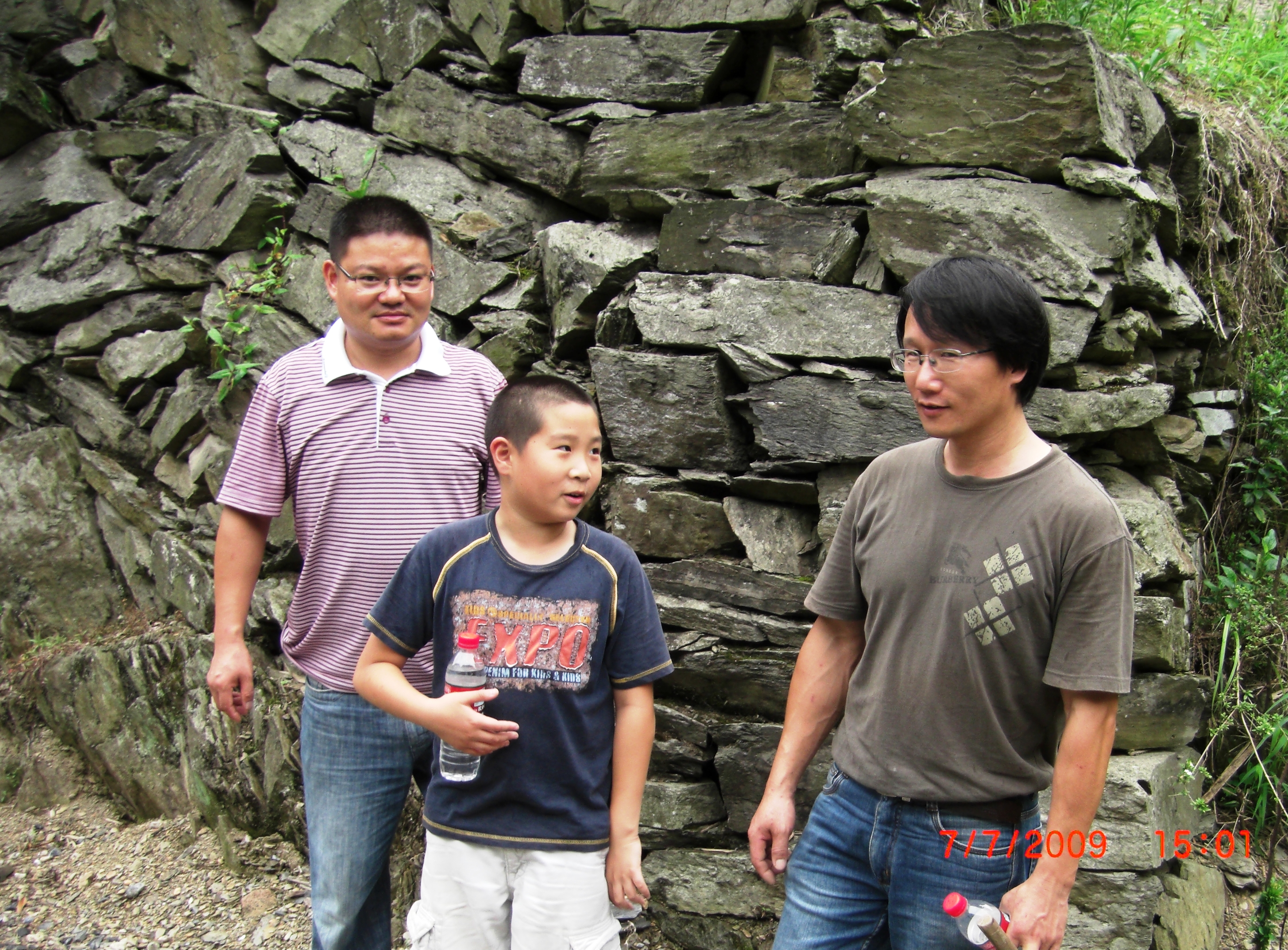
2010: Western Australia (-1, -2, -3)
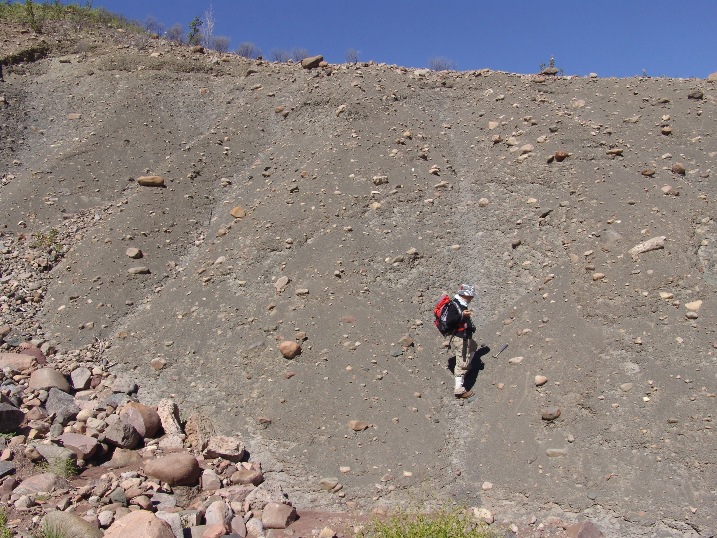
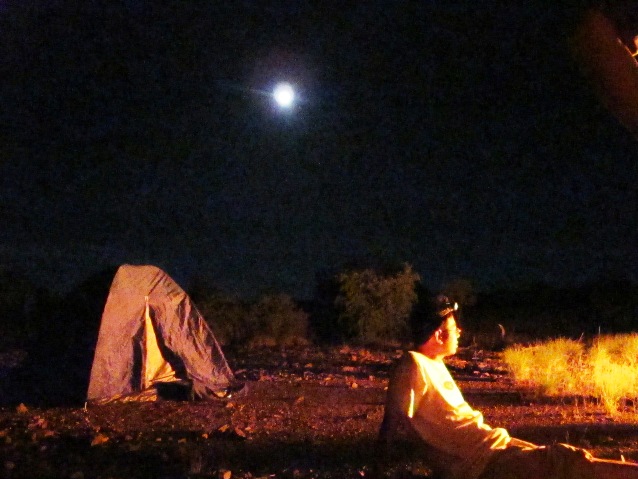

2011: southern China (-1, -2, -3, -4)
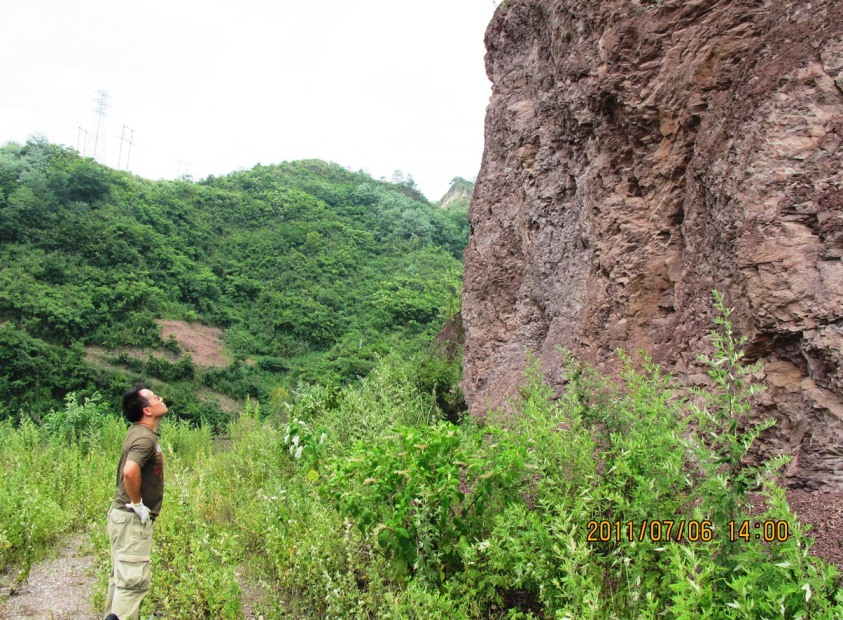
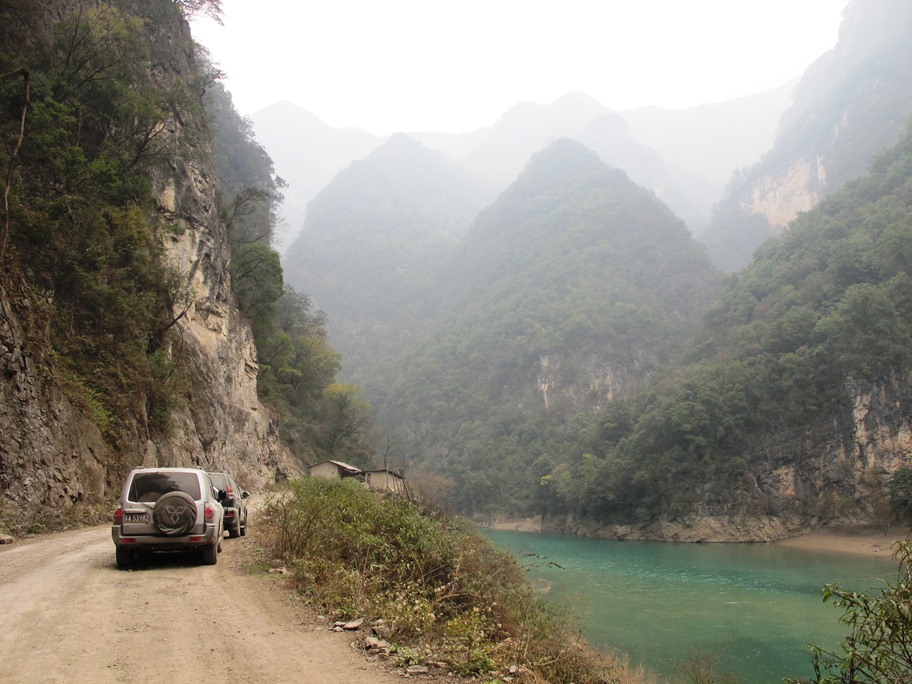
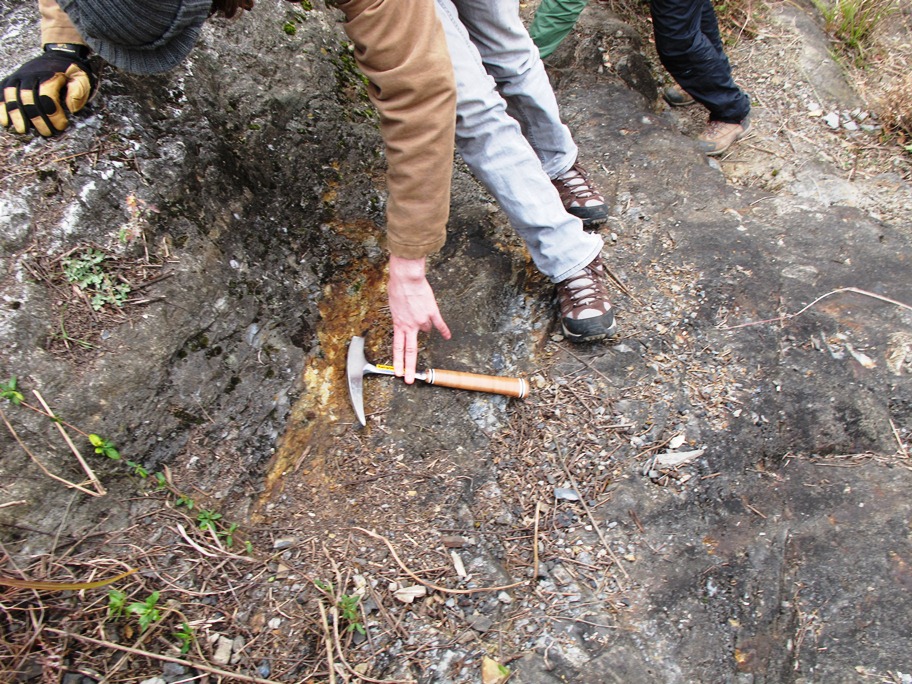
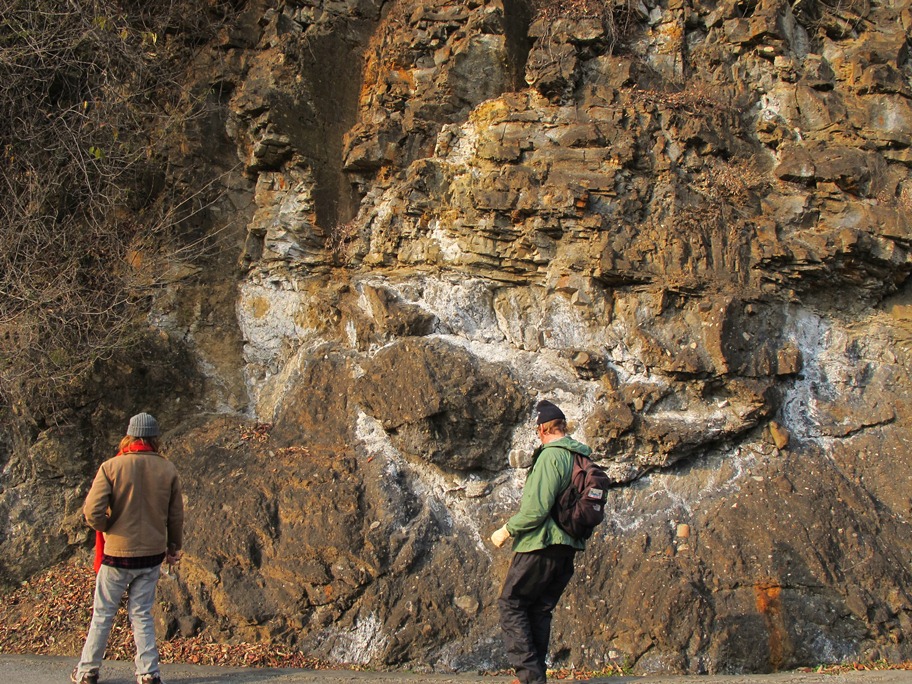
2012: north-central China (-1, -2); Nebraska, Texas, and Nevada, USA (-1, -2, -3,-4)
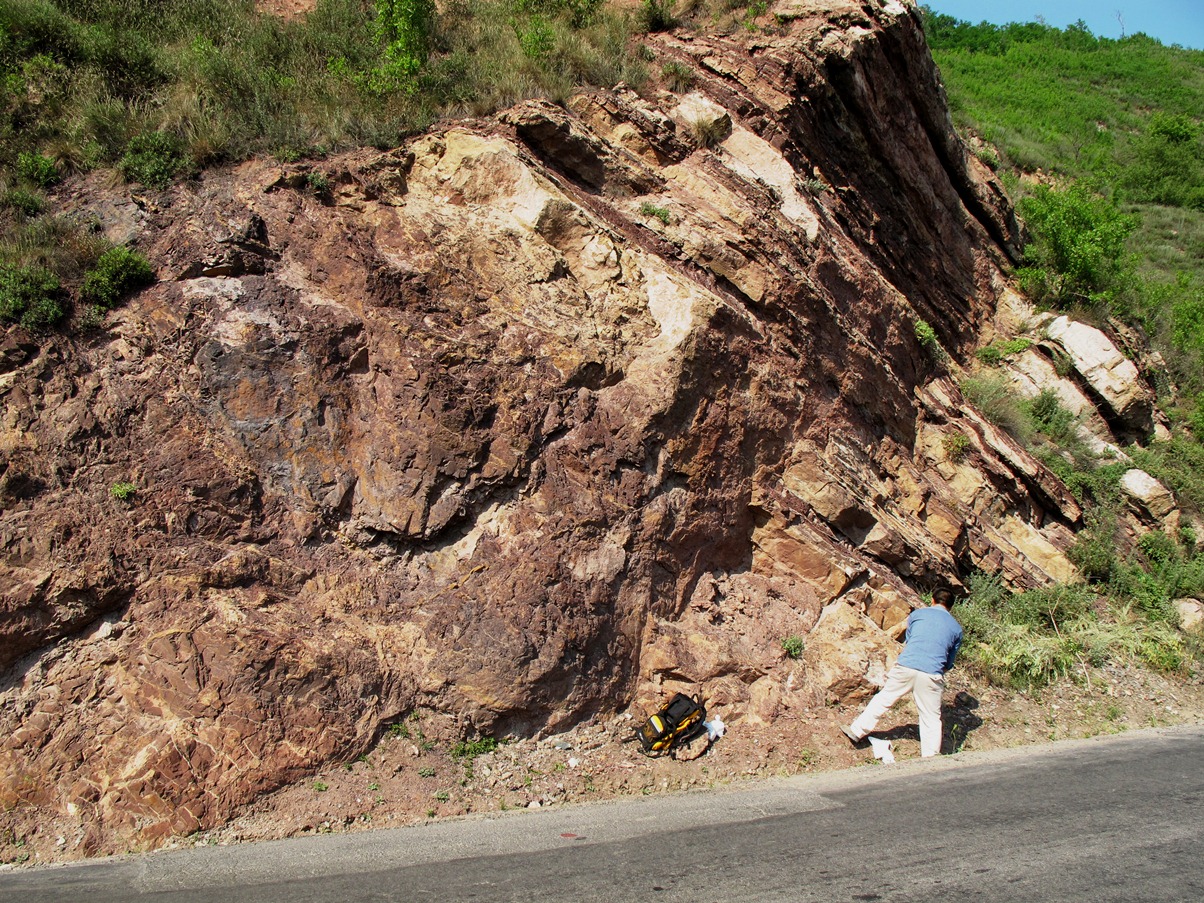
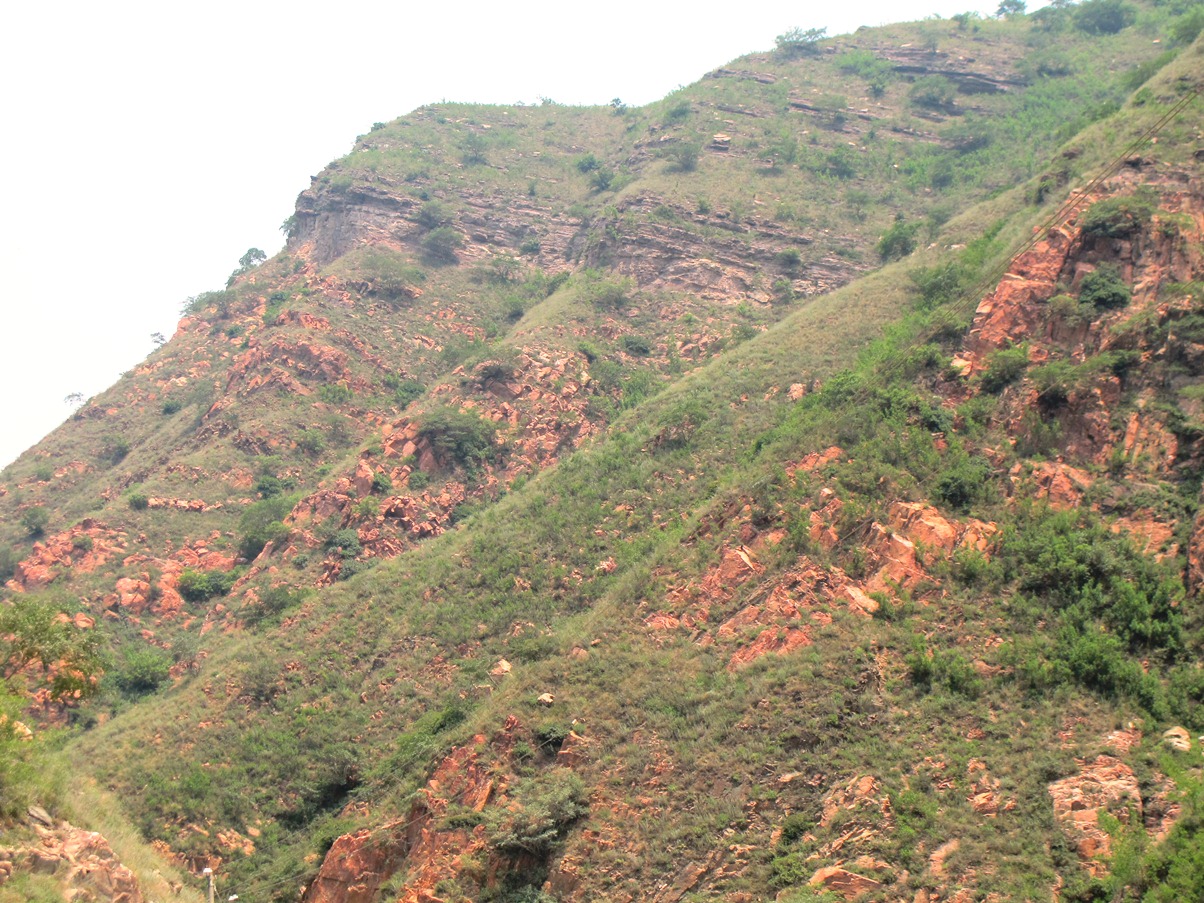

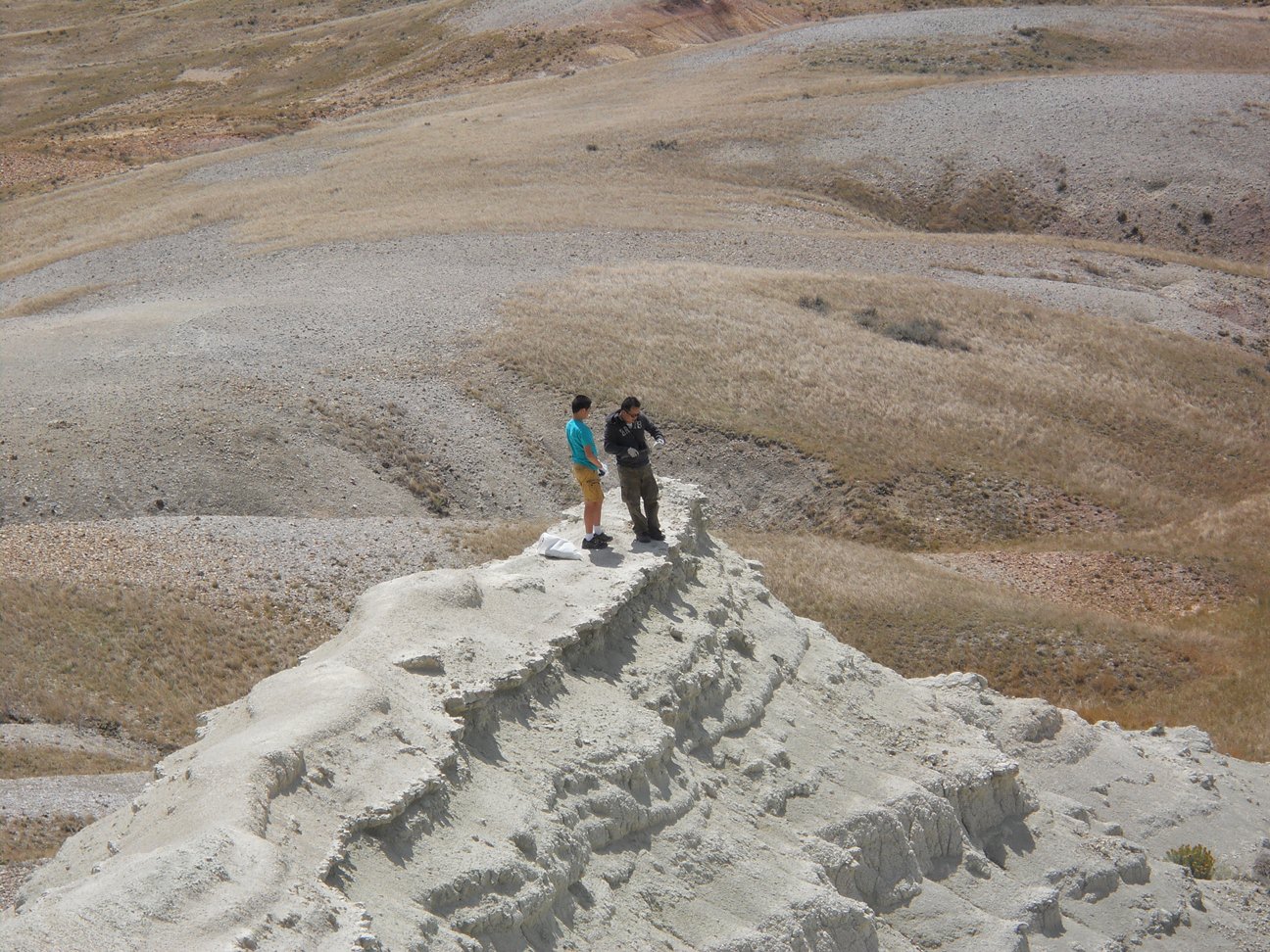

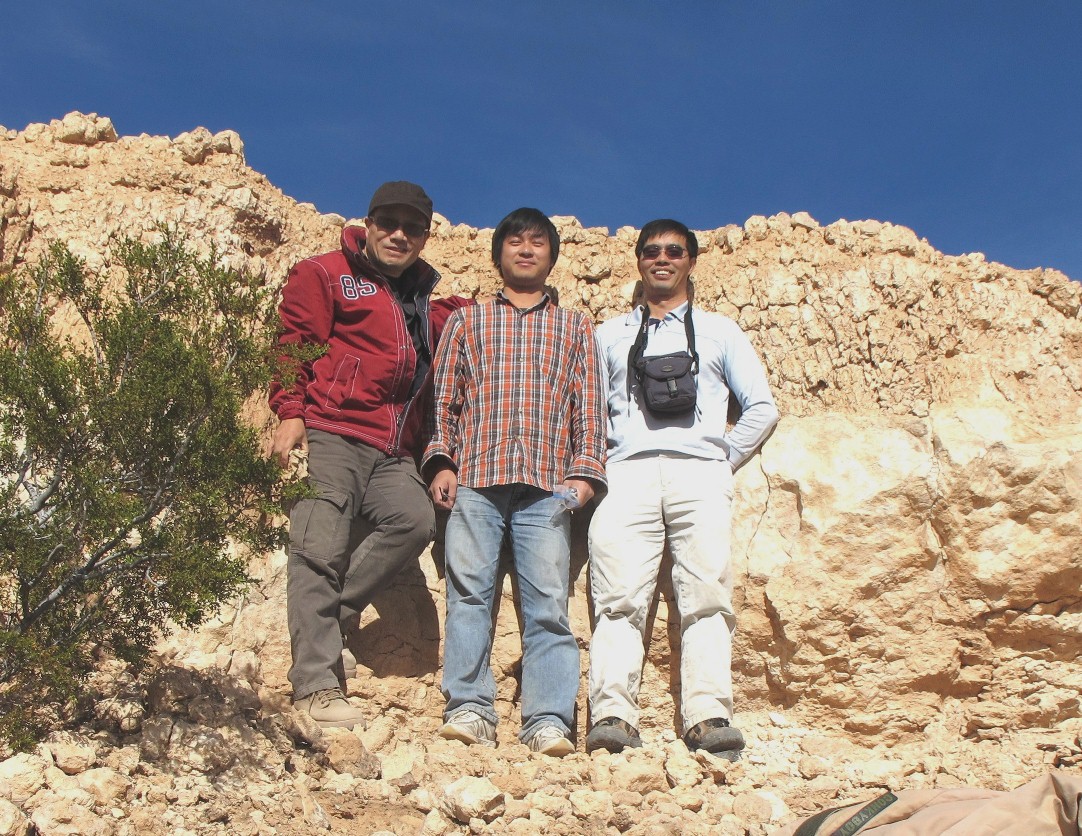
2013: northwestern China (-1, ), Brazil (-1, )
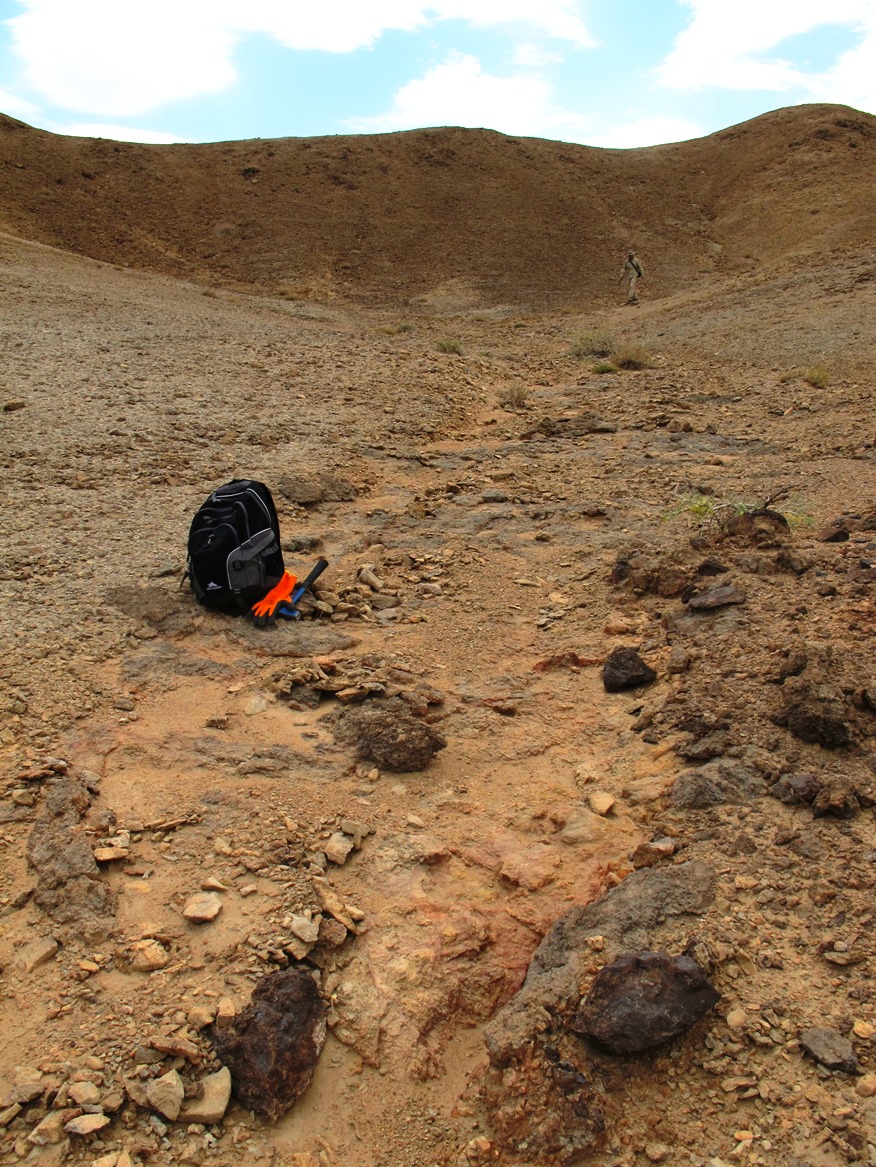
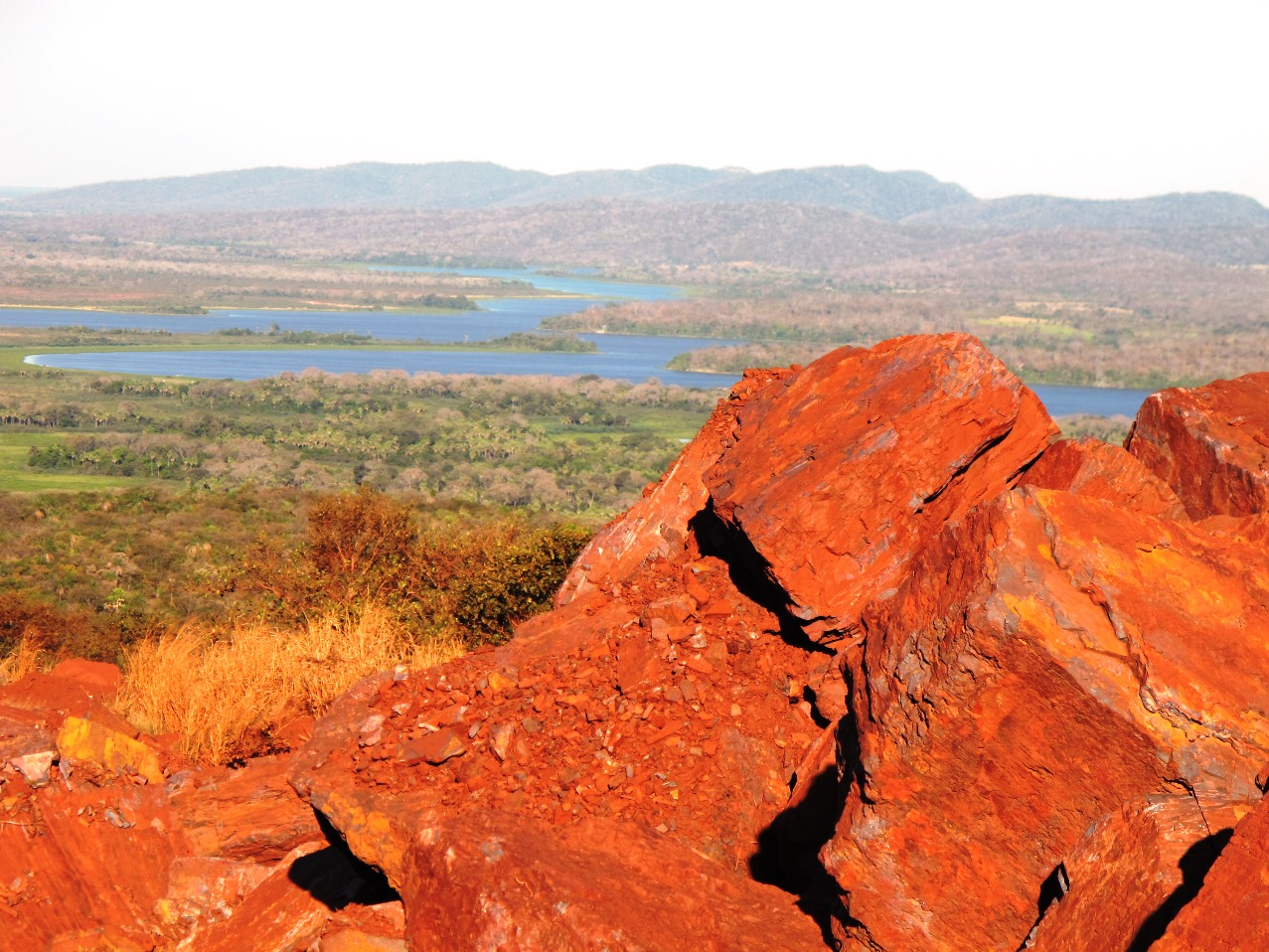


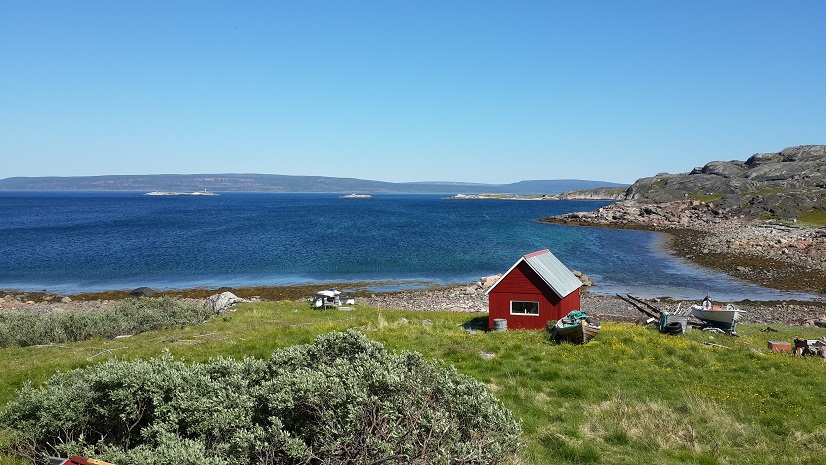
2015: Ermeishan LIPs, Guizhou, China (1, 2)
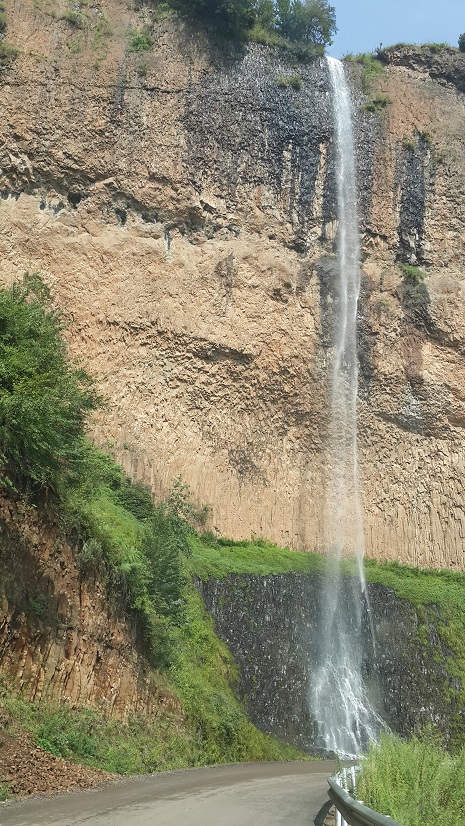
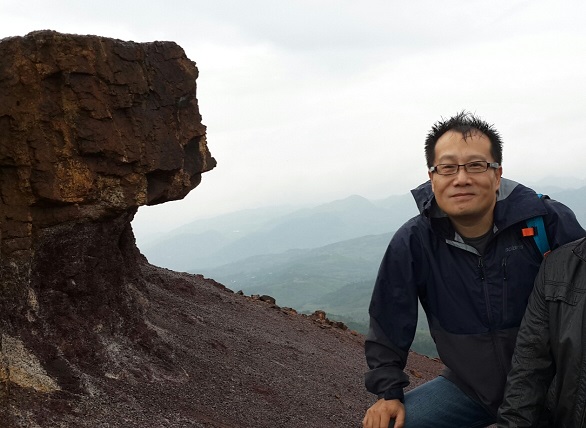
2016: Institute of Geochemistry, CAS (1)
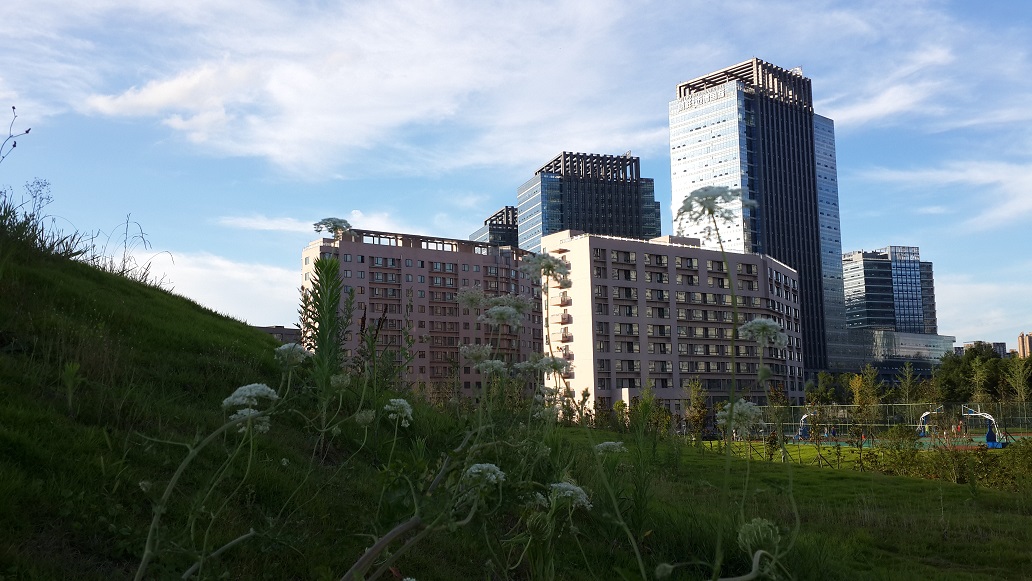

International Symposium on Isotopomers (ISI 2018)
Baton Rouge, Louisiana, U.S.A.
March 25-28, 2018
Back to LSU-Geology & Geophysics Homepage
Provide
Website Feedback www.lsu.edu/feedback
Accessibility
Statement www.lsu.edu/accessibility